OVERVIEW
Comprehensive Technology Services
What is TechCare?
LBMC Technology Solutions excels in providing TechCare Managed IT Services, tailored for companies in distributed work environments or those leveraging remote IT management. With our expertise and advanced tools, we seamlessly manage and monitor IT systems and infrastructure remotely—ensuring smooth operations and minimizing disruptions. TechCare by LBMC covers a wide array of critical areas including proactive monitoring of networks, servers and endpoints; timely software updates and patches; comprehensive cybersecurity measures; as well as remote troubleshooting and support.
Features of TechCare?
- Service Desk & Support
- Network & Systems Management
- Security & Compliance
- Custom Reporting
- Testing & Training
Managed IT can be complicated, protecting yourself against threats doesn’t have to be.
Client TestimonialS

PEOPLE SERVICES
Your IT Department - Extended
Virtual Chief Information Officer (vCIO)
A vCIO, or Virtual Chief Information Officer, is a third-party technology advisor or consultant who performs the functions of a traditional Chief Information Officer (CIO) but on a part-time, remote, or contract basis. vCIOs are commonly used by small to mid-sized businesses that may not have the resources to hire a full-time CIO.
Tech Leaders Are Increasing IT Investment
94%
Despite ongoing economic uncertainty, 94% of technology executives plan to increase their IT spending in the next year.
EY Survey
What Does a vCIO Do?
A vCIO aligns a company’s IT strategy with its business goals. They focus on Strategic IT Planning & Roadmapping, Managing Risk, Budgets and ROI, Overseeing Application Lifecycles, Governance, and Vendor Management.
When Does It Make Sense to Bring in a vCIO?
- If you're undergoing a digital transformation
- If you're experiencing scaling issues
- If you're requiring higher security
What are their Key Responsibilities?
Virtual Chief Information Security Officer (vCISO)
The Virtual Chief Information Security Officer (vCISO) plays an integral part in development of strategic policy, technology planning and investments in Information Security technology. The CISO is an expert advisor to executive leadership, senior management, and across the organization reaching into departments such as information technology, operations, and communications.
Tech Leaders Are Increasing IT Investment
94%
Despite ongoing economic uncertainty, 94% of technology executives plan to increase their IT spending in the next year.
EY Survey
What Does a vCISO Do?
The Virtual Chief Information Security Officer (vCISO) plays an integral part in development of strategic policy, technology planning and investments in Information Security technology. The CISO is an expert advisor to executive leadership, senior management, and across the organization reaching into departments such as information technology, operations, and communications.
When Does It Make Sense to Bring in a vCISO?
- If you need to meet strict regulations or requirements
- If you're facing budget or talent constraints
- If you need an authoratative cybersecurity expert
What are their Key Responsibilities?
Virtual Chief Information Officer (vCIO)
A vCIO, or Virtual Chief Information Officer, is a third-party technology advisor or consultant who performs the functions of a traditional Chief Information Officer (CIO) but on a part-time, remote, or contract basis. vCIOs are commonly used by small to mid-sized businesses that may not have the resources to hire a full-time CIO.
What Does a vCIO Do?
A vCIO aligns a company’s IT strategy with its business goals. They focus on Strategic IT Planning & Roadmapping, Managing Risk, Budgets and ROI, Overseeing Application Lifecycles, Governance, and Vendor Management.
When Does It Make Sense to Bring in a vCIO?
- If you're undergoing a digital transformation
- If you're experiencing scaling issues
- If you're requiring higher security
What are their Key Responsibilities?
In-House CIO Salary
245K
According to Glassdoor, hiring an in-house CIO can run businesses between $245K to $428K annually. To solve this challenge, the role of a vCIO was born.
GlassdoorTech Leaders Are Increasing IT Investment
94%
Despite ongoing economic uncertainty, 94% of technology executives plan to increase their IT spending in the next year.
EY SurveyVendor Management Requires Significant Investment
$55K
Vendor Management business requires significant upfront investment in payroll and technology infrastructure, leading to high initial running costs In 2026, expect monthly fixed overhead (excluding variable costs) to average around $54,167, with many vCIO services, vendor management is included
Vendor Management CostsCyberattacks Through IT Assets
76%
Every unmanaged device, forgotten server, and unpatched system represents a potential entry point for attackers. Studies reveal that 76% of organizations have experienced cyberattacks through unknown, unmanaged, or poorly managed IT assets exposed to the internet. A vCIO improves IT governance by aligning technology strategies with business goals, establishing compliance frameworks, and managing risks proactively rather than reactively.
Attack StatsVirtual Chief Information Security Officer (vCISO)
A vCIO, or Virtual Chief Information Officer, is a third-party technology advisor or consultant who performs the functions of a traditional Chief Information Officer (CIO) but on a part-time, remote, or contract basis. vCIOs are commonly used by small to mid-sized businesses that may not have the resources to hire a full-time CIO.
What Does a vCISO Do?
A vCISO aligns a company’s IT strategy with its business goals. They focus on Strategic IT Planning & Roadmapping, Managing Risk, Budgets and ROI, Overseeing Application Lifecycles, Governance, and Vendor Management.
When Does It Make Sense to Bring in a vCISO?
- If you're undergoing a digital transformation
- If you're experiencing scaling issues
- If you're requiring higher security
What are their Key Responsibilities?
In-House CISO Salary
255K
According to Glassdoor, hiring an in-house CISO can run businesses between $255K to $420K annually. To solve this challenge, the role of a vCIO was born.
GlassdoorTech Leaders Are Increasing IT Investment
94%
Despite ongoing economic uncertainty, 94% of technology executives plan to increase their IT spending in the next year.
EY SurveyVendor Management Requires Significant Investment
$55K
Vendor Management business requires significant upfront investment in payroll and technology infrastructure, leading to high initial running costs In 2026, expect monthly fixed overhead (excluding variable costs) to average around $54,167, with many vCISO services, vendor management is included
Vendor Management CostsCyberattacks Through IT Assets
76%
Every unmanaged device, forgotten server, and unpatched system represents a potential entry point for attackers. Studies reveal that 76% of organizations have experienced cyberattacks through unknown, unmanaged, or poorly managed IT assets exposed to the internet. A vCISO improves IT governance by aligning technology strategies with business goals, establishing compliance frameworks, and managing risks proactively rather than reactively.
Attack StatsOur Security Partners



![download[1]](/wp-content/uploads/2025/09/download1-300x79.png)
SECURITY SERVICES
Your Security - Extended
Cloud Infrastructure
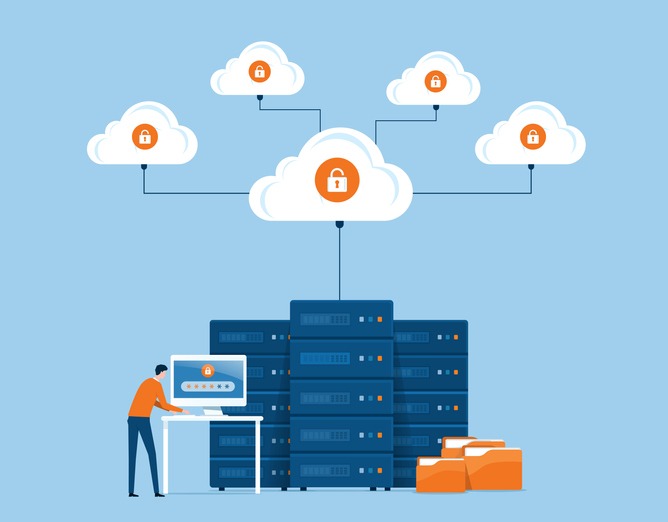
Cloud infrastructure is hardware and software that enables users to access applications and data storage remotely, via the internet. Cloud infrastructure offers scalability, flexibility and cost-efficiency for companies by offering on-demand access. At LBMC Technology Solutions, we help clients leverage their cloud software and services; reducing costs and improving efficiency. By guiding you in selecting the right set of services, we enable organizations to maximize their resources and concentrate on driving growth.

Firewall Management
A firewall is the first line of defense in any cybersecurity strategy, acting as a barrier between trusted internal networks and suspicious external networks (like the internet). Firewalls safeguard your internal network by monitoring and filtering traffic in and out, using rules defined by your organization to prevent unauthorized access. LBMC Technology Solutions provides our clients the best-in-class firewall products from our industry leading partner network.

Mobile Device Management
Mobile Device Management (MDM) empowers your team to work anywhere with secure, reliable mobile tools, regardless of operating system—keeping your data protected while boosting productivity. Using Microsoft Intune, LBMC Technology Solutions provides secure, centralized management for iOS, Windows, Android, and macOS devices within one unified platform.
Multi-factor Authentication
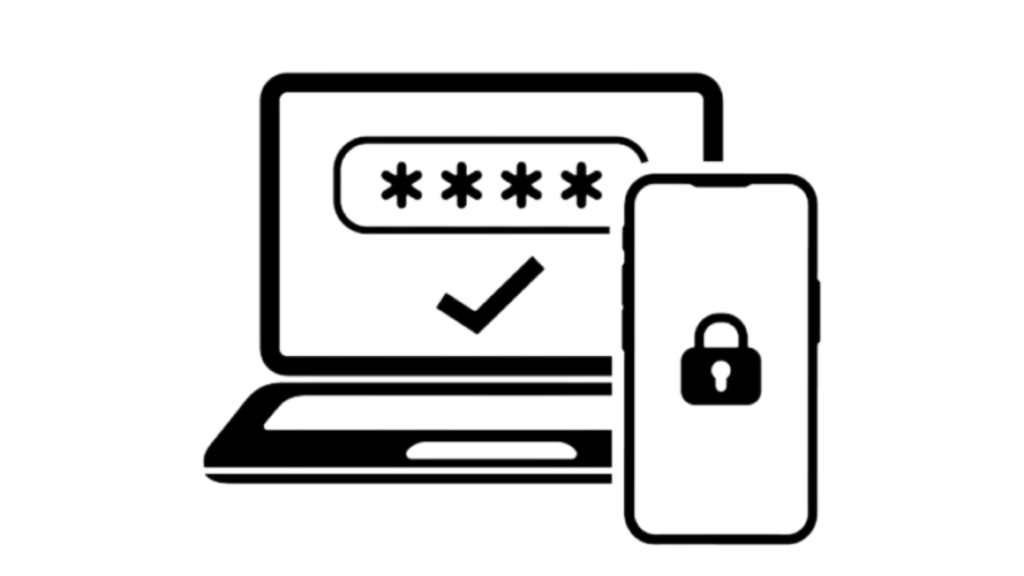
Multi-Factor Authentication (MFA) strengthens security by requiring users to verify their identity through two or more methods before accessing company systems. MFA adds an extra layer of security by ensuring that stolen passwords alone can’t grant access to your systems. LBMC Technology Solutions offers a range of MFA options tailored to your organization’s unique needs.
Antivirus & Anti-Malware
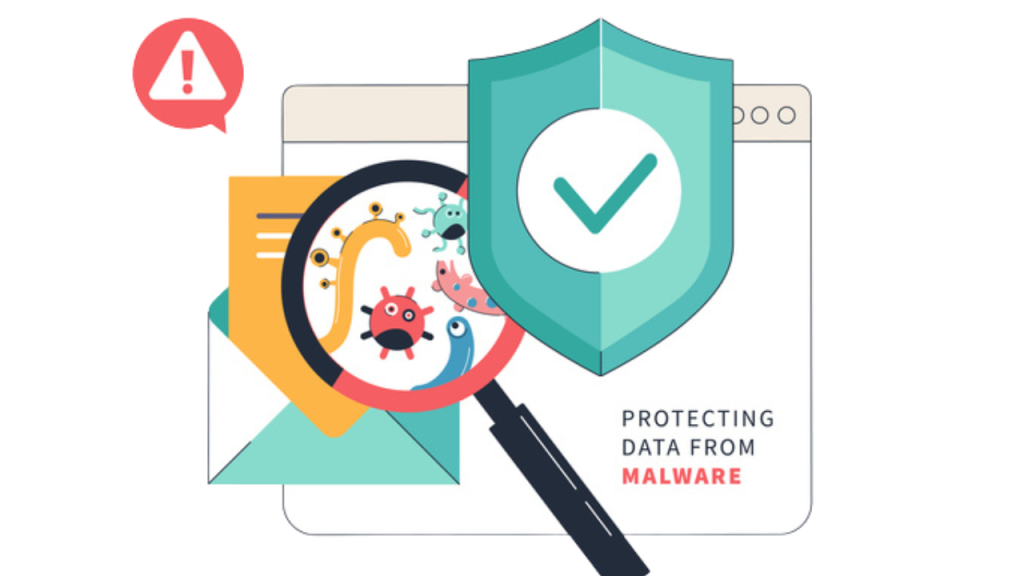
Antivirus and anti-malware work hand-in-hand to protect your devices—antivirus stops computer viruses, while anti-malware defends against broader threats like worms, trojans, ransomware, and spyware. Both are critical for building a strong security layer that prevents downtime, data breaches, and costly financial or reputational damage. At LBMC Technology Solutions, we take a layered approach to security, delivering antivirus and anti-malware solutions configured for maximum protection with minimal impact on system performance.
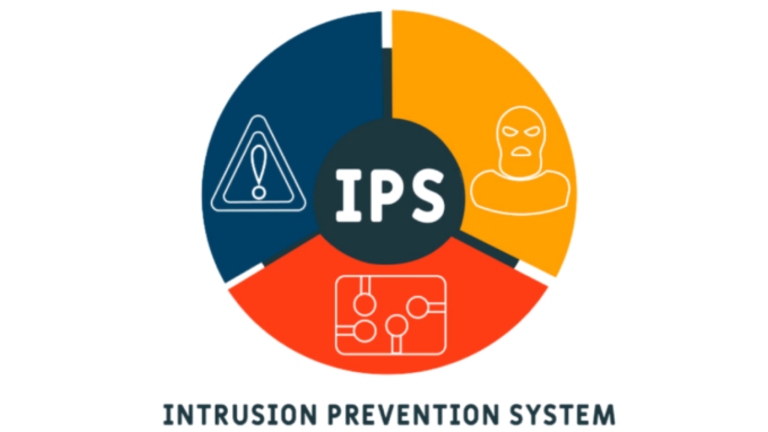
Intrusion Prevention
Intrusion prevention systems (IPS) provide a proactive cybersecurity strategy that monitors network traffic for malicious activity and blocks threats in real time. Beyond supporting regulatory compliance, IPS offers deep network visibility to help organizations stay secure. At LBMC Technology Solutions, our two-part approach combines managed intrusion prevention and managed intrusion protection. We detect and stop hostile activity instantly, backed by 24/7 monitoring, to identify and report unauthorized access attempts. Every alert includes an in-depth analysis and clear, actionable steps to eliminate the threat.
Let Us Make Sure You're Secure
SUPPORT SERVICES
Full IT Support - Outsourced
Service Desk
LBMC has a comprehensive integrated service desk and troubleshooting system. It provides IT support personnel with the tools they need to resolve issues quickly. Users and support personnel can interact in real-time. They can report, diagnose and resolve issues. In many cases they don’t have to physically visit the desktop. LBMC provides 24/7 monitoring and management of your systems.
Onsite Services
For onsite services during normal hours, each plan includes onsite visits. Furthermore, travel time is included within a 20-mile radius of our office locations.
Remote Control
Remote Control Software provides easy, fast and secure Remote Desktop Management of your entire computing infrastructure from anywhere. Each end user also has the capability of optionally blocking remote control access to their computer systems if so desired. Remote Desktop Management features maximum security using encryption for all sessions.
24/7 Remote monitoring and alerting
Set appropriate monitoring thresholds and be alerted to developing problems promptly. This will enable us to resolve any issues before they can seriously impact services. Connection and basic web monitoring is covered. Effective remote monitoring can reduce response time to service interruption by notification directly to the LBMC Network Operations Center (NOC).
Disk Space Monitoring
When systems have low disk space available it impacts the system performance dramatically. Our platform will monitor the available space on all of the drives under management. It will alert the NOC prior to downtime is experienced.
Email System Management
LBMC will provide email security and support for the management of the Client email solution (i.e. Exchange, Office 365, Gmail, etc.), whether it is hosted on premises or in the cloud.
Firewall Management
Firewall is a critical component. The ongoing maintenance of the firewall systems to protect your data from outsiders is included in our plan. VPN monitoring and management is covered. As long as the Client’s firewall appliance is covered by a vendor support plan, LBMC will cover firewall software/firmware upgrades. LBMC will also cover security bundle management. We have partnered with Watchguard to provide best-in-class firewall management and support.
ISP Assistance and Coordination
LBMC may act as a liaison for you when dealing with issues involving your Internet Service Provider(s) when problems arise.
SQL Maintenance
Configuration and monitoring of the Client’s SQL Server maintenance is covered under this plan.
Switch Management
For companies that have managed switches, or plan to move to managed switches, management of these devices is covered. This must be under the PC or Server plan as well. SNMP or IP is used for the management of these devices.
Active Directory Administration
Active Directory administration focuses on tasks that are performed routinely. Examples include creating computer accounts, joining computers to a domain, managing domain controllers, and organizing organizational units. LBMC will manage the addition and removal of user accounts.
Automated Patching and Updating
Enables our information technology administrators to deploy the latest Microsoft product updates to support Microsoft Windows operating systems. We fully manage the distribution of updates that are released through Microsoft as we deem necessary.
Backup Solutions & Services
Cloud backup and data recovery are critical elements for any customer. Managing your backup includes management of existing software that drive on-site backups.
Network Policy Enforcement
The ability to enforce network policies is an important foundation for a secure computing environment. The LBMC Integrated IT Software Suite provides policy management and enforcement for files, network access and applications.
Security
For Windows systems we manage against the baseline security controls and best practices. For network security devices (i.e. firewalls) we maintain the policies for each device and facilitate VPN connections where appropriate.
Software Deployment
Software Deployment provides the flexibility and reliability needed to deploy some applications and updates automatically. From a simple executable to complete application suites, our platform handles automated deployment in many cases.
Asset Management
Software audits, hardware specifications and inventory. Provide detailed inventories for software and computer equipment under maintenance. We will assist with maintaining your detailed records for each computer we have under management.
Custom Reports
We can provide reports on the health of your system; any alerts received and will discuss remediation with you as needed. The ability to accumulate, track and analyze data over time is invaluable for tactical and strategic planning.
Ready to Protect Your Business?
Testimonials
A Petroleum Products Company
“That Friday we called in LBMC and they worked through the weekend, without any breaks and by Monday morning we were restored and deliverable without paying any ransom out, and from there we knew that was a resource in our back pocket and they are always looking out for us, someone is able to flag is there is an issue.”
Rachel H.
An Architecture Company
“We’ve been with LBMC since the start of 2021, and during our onboarding, LBMC identified some areas of risk for us, identified some areas of improvement for us and we’ve been chipping away at that. We have one in-house IT member so the help desk helps us with so many things on a daily basis.”
Christina H.
Contact Us
We’re happy to answer any questions you may have. Please send us an email using the form and one of our professionals will get back to you promptly.